
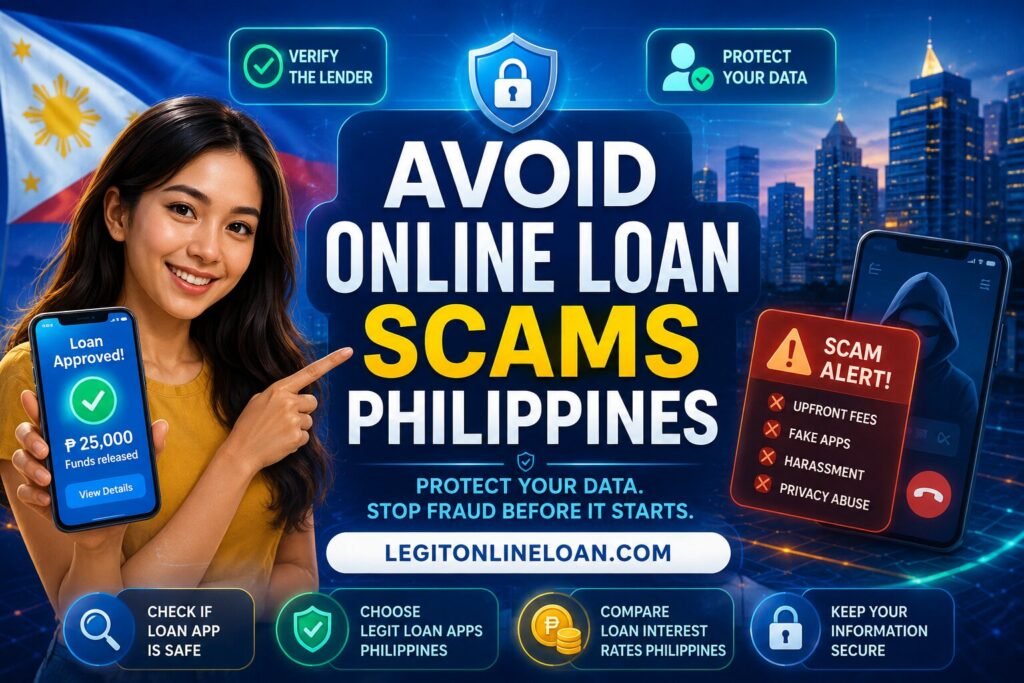
Online lending in the Philippines has grown rapidly – but so have scams. Many borrowers searching for fast cash end up dealing with scammers, abusive lenders, or apps that misuse personal data. If you’re trying to avoid online loan scams Philippines, this article breaks down the real risks, warning signs, and exact steps to protect yourself.
Why Online Loan Scams Are Rising in the Philippines
Digital lending apps promise quick approval, minimal requirements, and instant cash. That convenience attracts both legitimate companies and bad actors.
The Perfect Target: Borrowers in Urgent Need
Scammers prey on:
- First-time borrowers
- People with poor credit history
- Workers needing emergency funds
They exploit urgency. When someone needs money fast, they are less likely to verify legitimacy.
Weak Awareness + Aggressive Tactics
Many users:
- Don’t know how to check if loan app is safe
- Trust apps found on social media ads
- Ignore red flags like upfront fees or data access permissions
This creates a high-risk environment where fraud thrives.
What Are Common Online Loan Scams?
1. Advance Fee Scam 💸
You’re approved instantly – but must pay a “processing fee” first.
What happens:
- You send money via e-wallet or bank transfer
- The lender disappears
- No loan is ever released
Key warning: Legitimate lenders deduct fees from the loan – not before.
2. Phishing Loan Applications 🎣
Fake apps or websites steal your personal data.
They request:
- ID photos
- Contacts list
- Banking details
This leads to:
- Identity theft
- Unauthorized transactions
- Harassment of your contacts
3. Harassment-Based Lending Apps 📱
Some illegal apps do release loans – but use abusive tactics.
Borrowers experience:
- Threatening messages
- Public shaming on social media
- Contacting family and coworkers
These violate privacy laws and ethical lending standards.
4. Fake “Legit” Loan Offers
Scammers impersonate known brands or create professional-looking apps.
They may:
- Copy logos of legit loan apps Philippines
- Use fake reviews
- Offer unrealistic low interest rates
Quick Checklist: How to Spot a Loan Scam ⚠️
Use this before applying:
- ❌ Requires upfront payment
- ❌ No clear company registration
- ❌ No physical address or official website
- ❌ Excessive app permissions (contacts, photos)
- ❌ Promises guaranteed approval
- ❌ Uses pressure tactics (“Apply now or lose offer”)
If you notice even one red flag, pause.
How to Avoid Online Loan Scams in the Philippines
Verify the Lender First ✅
Check if the lender is registered with regulators like:
- Securities and Exchange Commission (SEC)
- Bangko Sentral ng Pilipinas (BSP)
A legitimate lender is transparent about:
- Business registration
- Terms and conditions
- Customer support channels
Download Only from Trusted Sources 📲
Avoid APK files or random download links.
Use:
- Google Play Store
- Apple App Store
Even then, read reviews carefully – fake ratings are common.
Protect Your Personal Data 🔐
Never share:
- OTP codes
- Full contact lists
- Passwords
Limit app permissions:
- Deny access to contacts and media unless necessary
Compare Before Applying
Instead of jumping into the first offer, research:
- Interest rates
- Fees
- Repayment terms
This is where learning about loan interest rates Philippines helps identify unrealistic promises.
Stick to Known Safe Options
Explore curated and verified options like:
- pautang peso safe online loan
- Established fintech platforms
These are more likely to follow ethical lending practices.
What Happens If You Fall Victim to a Scam?
Immediate Effects
Victims often face:
- Financial loss
- Identity theft
- Emotional stress due to harassment
Some borrowers report that scammers:
- Contact everyone in their phonebook
- Threaten legal action (even when fake)
Long-Term Risks
If data is compromised:
- Your identity can be reused for fraud
- You may receive ongoing scam attempts
- Your credit profile could be affected
What to Do If You’ve Been Scammed
Step-by-Step Actions 🛑
- Stop all communication
- Do not send more money
- Block the scammer
- Secure your accounts
- Change passwords immediately
- Enable two-factor authentication
- Report to authorities
- SEC for illegal lenders
- National Privacy Commission (NPC) for data abuse
- Cybercrime units of the PNP
- Inform your contacts
- Warn them about possible scam messages
- Document everything
- Screenshots of chats
- Payment receipts
- App details
How to Report Illegal Online Lenders in the Philippines
Key Reporting Channels 📢
You can file complaints with:
- Securities and Exchange Commission (SEC)
- National Privacy Commission (NPC)
- Bangko Sentral ng Pilipinas (BSP)
Provide:
- App name
- Screenshots
- Transaction details
Authorities actively monitor and shut down illegal lenders.
Real-Life Risks Borrowers Face
A borrower installs a loan app promising instant approval. After submitting ID and contacts, they receive a small loan – but repayment terms are unclear.
Within days:
- Interest balloons
- The app sends threats
- Contacts receive messages accusing the borrower of fraud
Another case:
A user sees a Facebook ad offering a large loan with low interest. After paying a “release fee,” the lender disappears.
These are not rare – they happen daily.
Safer Alternatives to Risky Loan Apps
Instead of taking risks, consider:
Regulated Digital Lenders
- Transparent terms
- Clear repayment schedules
- Customer protection policies
Banks and Microfinance Institutions
- Lower risk
- Structured lending process
- Legal protections
Verified Loan Platforms
Research platforms that help you:
- check if loan app is safe
- Compare legit offers
- Avoid fraudulent apps
Frequently Asked Questions
What are common loan scams?
Common scams include:
- Advance fee fraud
- Phishing apps stealing data
- Harassment-based lending
- Fake lenders impersonating real companies
How to report illegal lenders?
Report to:
- SEC for unregistered lenders
- NPC for privacy violations
- BSP for financial misconduct
Provide detailed evidence like screenshots and transaction records.
What to do if scammed?
- Stop communication immediately
- Secure accounts
- Report to authorities
- Inform your contacts
- Keep evidence
Smart Borrowing Habits That Keep You Safe
Even legitimate loans can become risky if you’re not careful.
Always Read Terms Carefully
Understand:
- Interest rates
- Late payment penalties
- Total repayment amount
Borrow Only What You Can Repay
Avoid:
- Multiple simultaneous loans
- High-interest short-term borrowing cycles
Stay Updated on Scam Trends
Scammers evolve. Stay informed through:
- Government advisories
- Consumer warnings
- Trusted finance platforms
Final Thoughts: Stay Alert, Stay Protected
Avoiding online loan scams in the Philippines comes down to awareness and discipline. Scammers rely on urgency, fear, and misinformation. When you slow down, verify, and protect your data, you remove their advantage.
Choose trusted platforms, research thoroughly, and never send money upfront. Whether you’re exploring legit loan apps Philippines or comparing offers, your safety should always come first.
Financial help should never come at the cost of your privacy, dignity, or security.
| Online Loans | Amount |
| 🔰️ Online Loans US | $100 – $5,000 |
| 🔰️ Online Loans UK | $100 – $5,000 |
| 🔰️ Online Loans Pilipinas | ₱ 1000 – ₱ 25,000 |
| 🔰️ Vay Tiền Online VN | 1 triệu – 14 triệu VNĐ |
| 🔰️ Online Loans Sri Lanka | Rs 8000 – Rs 50,000 |
| 🔰️ Préstamos Online México | $ 1,000 – $ 150,000 |
| 🔰️ Préstamos Online en España | 50€ – 300€ |
| 🔰️ Pożyczki Online Polska | 500 PLN – 15000 PLN |